

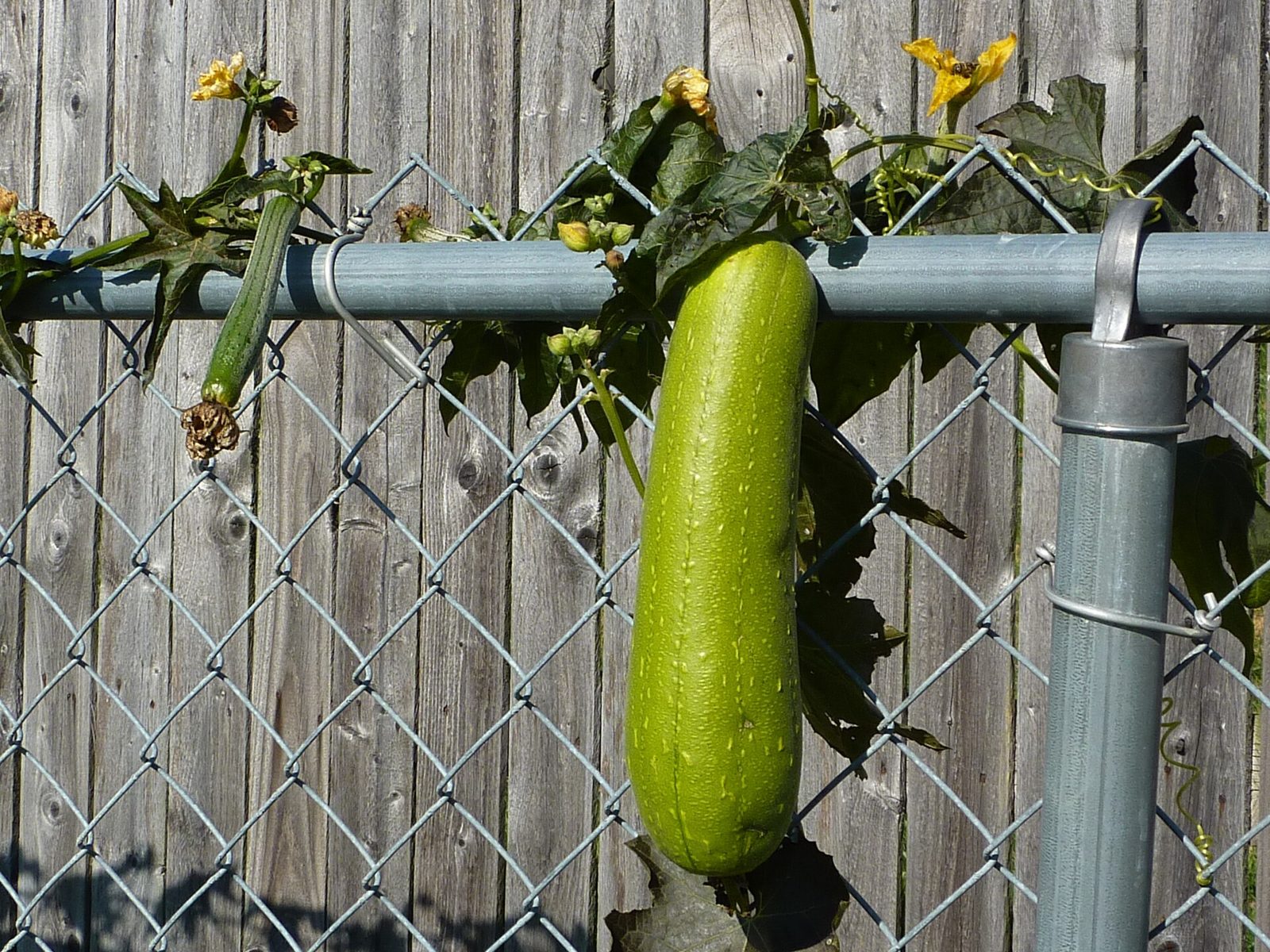
Luffa is grown from seed, and in most of the US you should start the seeds indoors: soak them for 24 hours, sow them 6 to 8 weeks before your last frost date and plant them out into warm soil. The reason is the calendar. Luffa needs a frost-free season of at least four months, and gourds can take up to 200 days to mature, so a late start leaves sponges unfinished. This guide covers seed starting and sits under our main luffa growing guide.
Why luffa needs a head start
University of Illinois Extension is blunt about it: “the early start is needed to allow enough time for the gourds to fully ripen, since they can take up to 200 days to reach maturity.” NC State agrees on the other end, saying sponge gourd requires a frost-free growing season of at least four months, plus warm temperatures for proper flowering and fruiting. In a warm climate such as Florida, UF/IFAS says to plant seeds from March through July, so the head start matters less. In cooler zones it is the difference between a harvest and a vine killed by frost.
The gourds you eat young ask less of the calendar, since they are picked at around 6 to 8 inches (15–20 cm). It is sponge luffa that needs the long season.
When to start luffa seeds
- Cooler zones: indoors, 6 to 8 weeks before the last frost date (Illinois). The Illinois growers started theirs in March, under grow lights, before the frost-free date.
- Warm climates: outdoors in warm soil. Clemson says late spring; UF/IFAS says March through July in Florida.
- Garden planting out: only after frost has passed. Illinois warns that cold zaps this warm-season vegetable.
Our sources give no minimum soil temperature in degrees, so use the “warm soil” and “frost-free” tests rather than a number.
How to start luffa seeds indoors
- Count back from your last frost. Subtract 6 to 8 weeks from your last frost date and mark that day on the calendar (Illinois).
- Soak the seeds for 24 hours. Illinois says to soak the seeds in water for 24 hours before sowing.
- Sow in pots and give them light. Illinois grew seedlings under grow lights. Our sources do not give a sowing depth, a germination temperature or a pot size, so use a fresh seed-starting mix and follow the packet.
- Keep seedlings from damping off. NC State says damping off may threaten young seedlings grown in cold and wet areas, so avoid a cold, soggy start.
- Plant out into warm soil. Wait until frost has passed and the soil is warm (Clemson). Set plants 3 feet (0.9 m) apart, with rows 6 feet (1.8 m) apart (UF/IFAS).
- Give them a trellis from day one. Clemson says the fast-growing vines need a sturdy trellis to keep the luffas off the ground so they do not rot.
Direct sowing
If your season allows it, sow outdoors after frost into warm soil with at least 6 hours of full sun and well-drained, evenly moist, rich loam (NC State). UF/IFAS says to space seeds or transplants 3 feet (0.9 m) apart once you have established a planting location. In Florida, UF/IFAS places planting between March and July. In a cool climate, direct sowing carries a risk that the season will run out before the gourds ripen, because gourds can take up to 200 days.
Our arithmetic shows how tight it gets: 200 days from a May 15 outdoor sowing ends December 1, whereas 200 days from a March 1 indoor start ends September 17. If you are growing for sponges, that difference matters. If you are growing for eating-size luffa, direct sowing is more forgiving.
What the seedlings need after planting
Once outside, luffa needs at least 6 hours of full sun, good air circulation and evenly moist soil (NC State). UF/IFAS says excessive water is detrimental, potentially slowing growth and increasing the risk of root disease, so keep it moist rather than waterlogged. Mulch helps with fruit rot if fruit touches the ground (UF/IFAS), but a trellis is the better defense. Our luffa pillar guide covers care, soil and problems, and our luffa harvesting guide covers when to pick for eating and for sponges.
Saving your own luffa seed
When you process mature gourds into sponges, you will shake the seeds out. Clemson says to save some for next year, so your first sponge crop can seed the next. Seeds are also readily available through most garden catalogs (Clemson), so you do not need a source of fruit to get started. Our sources do not describe how to store or dry the saved seed, so consult a seed-saving guide for storage specifics.
Frequently asked questions
When should I start luffa seeds indoors?
In cooler zones, start seeds indoors 6 to 8 weeks before the last frost date, after soaking the seeds in water for 24 hours (University of Illinois Extension). The Illinois gardeners who grew them started their seeds in March.
Can I direct sow luffa?
Yes, in warm climates. Clemson says to start luffas from seeds in warm soil in late spring, and UF/IFAS says to plant seeds from March through July in a full-sun location with well-drained soil.
How far apart should luffa plants be?
UF/IFAS says plants are usually 3 feet (0.9 m) apart, with rows 6 feet (1.8 m) apart.
Why do luffa seedlings damp off?
NC State says damping off may threaten young seedlings grown in cold and wet areas.
Can I save luffa seeds?
Yes. When you process mature gourds into sponges, Clemson says to shake the seeds loose and save some for next year.
Sources
- Growing Loofa Gourds, University of Illinois Extension
- Growing Luffa, Clemson Home and Garden Information Center
- Luffa aegyptiaca, NC State Extension Gardener Plant Toolbox
- Luffa, UF/IFAS Gardening Solutions
- Luffa, an Asian Vegetable Emerging in Florida (HS1285), UF/IFAS Extension (EDIS)