

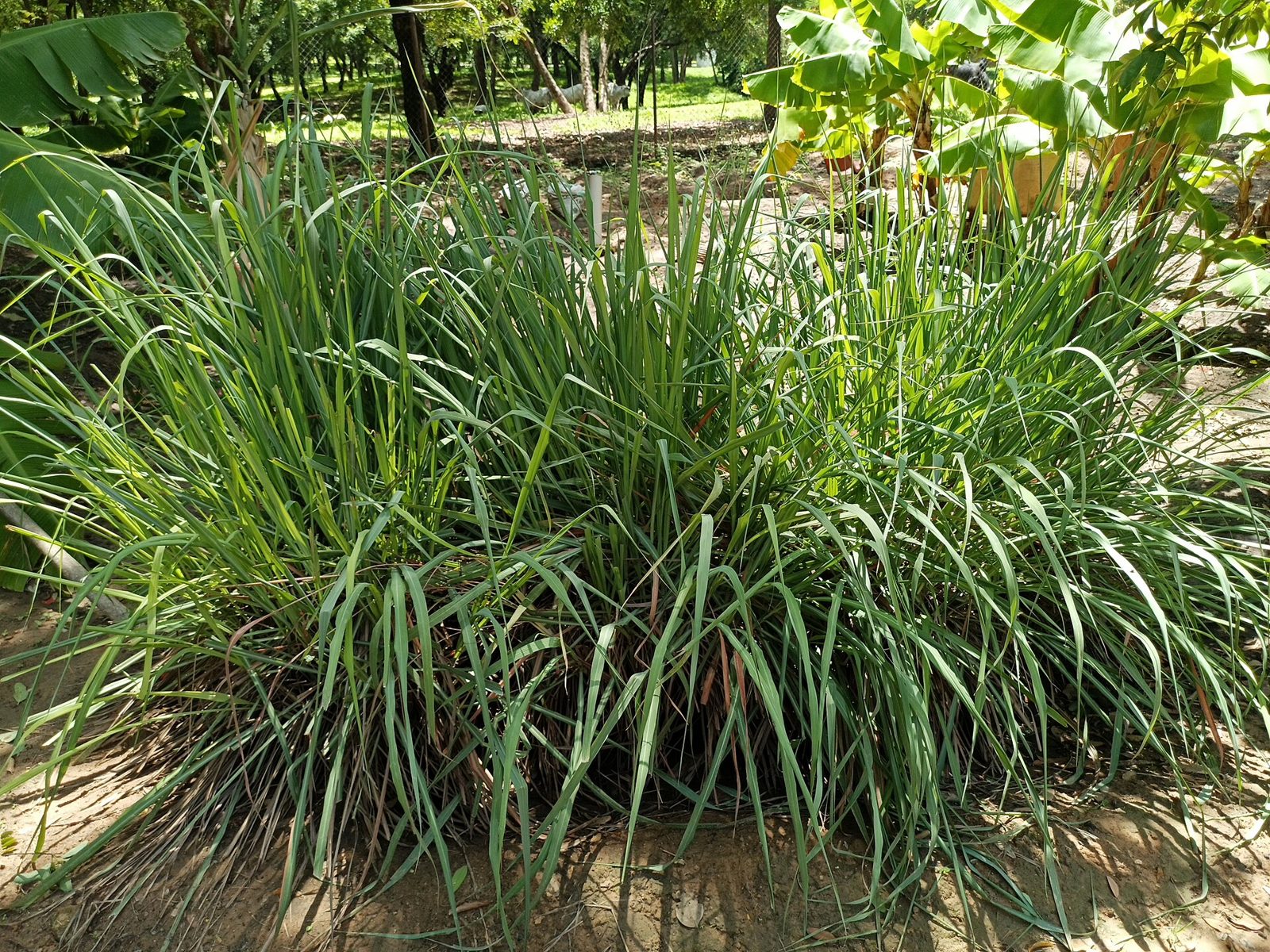
You can grow lemongrass anywhere in the US that has a warm summer, but it only survives winter outdoors in the warmest zones. Penn State Extension says lemongrass is only hardy to zone 8, so in colder regions it is best grown in a container or as an annual. Give it full sun, rich, well-drained soil and plenty of water, and it grows into a thick, arching clump of fragrant blades. Cut the stems at ground level once they are about ½ inch (1.3 cm) thick. It is an easy herb if you can keep it warm and watered.
- USDA zones
- Hardy only to zone 8 · pot or annual in colder areas
- Sun
- Full sun
- Water
- A great deal; water regularly
- Origin
- Asia
- Container friendly
- Yes
- Grown from
- Division or rooted stalks
- Night temperatures
- Prefers around 65°F (18°C)
- Harvest size
- Stems about ½ in (1.3 cm) thick
- Frost
- Kills or severely damages plants
Why grow lemongrass
Lemongrass is a tall tropical grass grown for its stems, which you cut at ground level. The case for growing it is convenience and abundance: one clump keeps giving, and it needs almost nothing in the way of pest control. The University of Wisconsin reports that lemongrass has essentially no pest problems in the Midwest. It also looks good as an accent, since Penn State recommends it as a container plant or as a feature among other annuals.
Lemongrass zones: where it grows outdoors
Penn State says lemongrass is only hardy to zone 8. The quote does not name the zone system, and we read it as the USDA scale used throughout this site. In practice:
- Zone 8 and warmer: lemongrass can live outdoors, though the sources give no detail about winter damage in each zone.
- Colder than zone 8: grow it in a pot, or as an annual in the ground. Wisconsin says to grow it in containers or as an annual during the growing season.
Wisconsin also warns that frost will kill or severely damage the plants, so harvest or dig before overnight temperatures reach freezing. To keep it through winter, Penn State’s advice is to “gradually acclimate the plant to indoor living.” Our lemongrass in containers guide covers pots, indoors and winter in detail.
Lemongrass types
Wisconsin points out that two of the 55 species in the genus Cymbopogon are used almost interchangeably as lemongrass. One is West Indian lemongrass (Cymbopogon citratus), which is of Malaysian origin and is more commonly used for cooking. Extensive breeding programs have developed varieties, but few cultivars are available in North America, so there is no variety table here. When you buy a plant, check that the label gives a culinary lemongrass name. The sources do not tell you how to tell the two species apart by sight.
Lemongrass planting calendar
| Zones | January | February | March | April | May | June | July | August | September | October | November | December |
|---|---|---|---|---|---|---|---|---|---|---|---|---|
| Zone Zone 7 and colder: transplant out May–Jun | May: transplant out | June: transplant out |
- Transplant out
How to start lemongrass
Wisconsin says flowers are rare, so propagation by division is the easiest way to include lemongrass in your garden. Neither source describes growing it from seed. There are two routes at home:
- Root a grocery-store stalk. Wisconsin says you may be able to root store specimens in water or potting medium if enough of the root plate is left on the stem. Choose stalks with the base intact. Our grocery-stalk guide walks through it.
- Divide an existing clump. Division is the easiest way to multiply a plant you already have. Split the clump into sections, each with stems and roots, and pot them up.
- Plant out after frost. Set plants outside as soon as danger of frost is past (Wisconsin), or keep them in a container.
- Water well from day one. Lemongrass needs a great deal of water, so water regularly if rainfall is sparse (Wisconsin).
In the ground or in a pot?
Both work, and the choice follows your winters. In the ground, lemongrass has room for its roots and drinks from the soil, but a hard frost ends the plant, and if you are colder than zone 8 you have to dig it up or let it go. In a pot, you give up some root room and you will water more often, because a container dries faster than a bed. In return, you can carry the whole plant indoors, which is Penn State’s route for overwintering: gradually acclimate the plant to indoor living. For most readers in cold-winter regions, a big pot that can come inside is the more dependable choice, and if you only want one summer of stems, planting in the ground as an annual is the cheapest.
A season with lemongrass
- Spring: once the danger of frost is past, set plants outside (Wisconsin), or move potted plants out in stages.
- Summer: water regularly, particularly when rain is sparse. The plant likes warm, humid conditions and full sun.
- Whenever stems are about ½ in (1.3 cm) thick: cut them at ground level.
- Before the first freezing night: harvest everything you want or dig the plant up (Wisconsin). To keep it, pot a division or the whole clump and bring it inside gradually (Penn State).
Does lemongrass come back every year?
Our two sources frame it differently, and both are right for their region. The University of Wisconsin says to grow lemongrass in containers or as an annual during the growing season, because frost will kill or severely damage it. Penn State says it is only hardy to zone 8, which means a plant in zone 8 or warmer may return. So in a cold-winter region, count on replanting each year or on keeping a division indoors. Farther south, it may behave as a perennial, but the sources do not say how reliably, so plan for a backup division.
Planting lemongrass
Choose a full-sun spot. Wisconsin recommends moist loam with high organic matter, and Penn State asks for well-drained soil, so the ideal is rich soil that holds moisture but does not stay soggy. The sources give no pH, no spacing and no planting depth, so we do not make them up. If you are unsure how much room to leave, remember that a mature clump is thick and you can always divide it. In a container, choose one that fits the root ball and has drainage holes.
Lemongrass care
Water
Sun and warmth
Soil
Winter
Common lemongrass problems
Pests are not a feature here: Wisconsin says lemongrass has essentially no pest problems in the Midwest.
Harvesting lemongrass
To harvest, cut stems at ground level when they are about ½ inch (1.3 cm) thick (Wisconsin). Do it before the first freezing night. The sources do not say how long that takes, so judge by thickness, not by the calendar. For stalk size, cutting technique and storing or drying the stems, see our lemongrass harvesting guide.
What our sources do not tell you
Our two extension sources, from Wisconsin and Penn State, are short on numbers. They give no planting depth, spacing, soil pH, days to harvest, fertilizer rate or minimum temperature. We would rather list the gaps than invent figures. If you grow lemongrass in the Southwest, the Deep South or Hawaii, check with your local extension office for conditions our Midwestern and Pennsylvania sources do not cover.
Grow these next
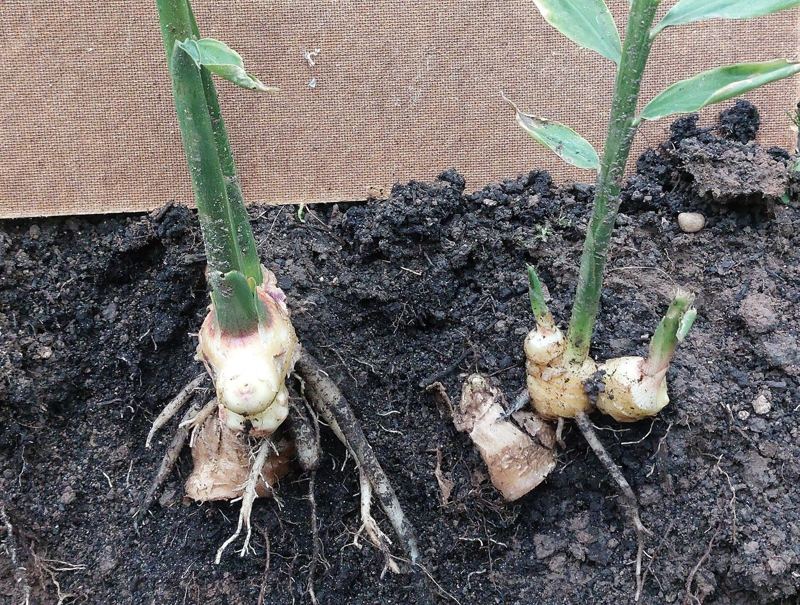
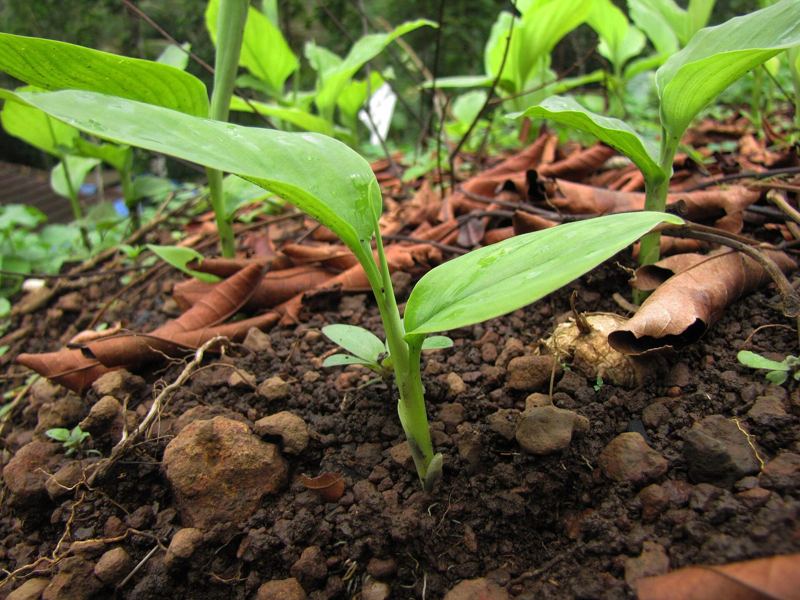
Lemongrass pairs well with other tropical kitchen herbs. Ginger and turmeric are both grown from rhizome pieces, suit pots and need a warm season, so they make natural neighbors on a sunny patio.
Frequently asked questions
What zones can you grow lemongrass in?
Penn State Extension says lemongrass is only hardy to zone 8, so it is best grown in a container or as an accent among other annuals. In colder places, treat it as an annual or bring the pot inside for winter.
Does lemongrass need full sun?
Yes. The University of Wisconsin says lemongrass needs warm, humid conditions in full sun to thrive, and Penn State says it prefers full sun, high humidity, well-drained soil and nighttime temperatures around 65°F (18°C).
Can you grow lemongrass from grocery-store stalks?
Often, yes. Wisconsin says you may be able to root grocery store specimens in water or potting medium if enough of the root plate is left on the stem.
How do you harvest lemongrass?
Cut stems at ground level when they are about ½ inch (1.3 cm) thick, according to the University of Wisconsin. Harvest or dig before overnight temperatures reach freezing.
Does lemongrass have pests?
Wisconsin says lemongrass has essentially no pest problems in the Midwest. Its sources do not describe pests elsewhere, so check a local extension office if you grow it in another region.
Sources
- Lemongrass, University of Wisconsin-Madison Extension Horticulture
- Lemon-Scented Herbs in the Garden and the Kitchen, Penn State Extension
 Ginger
 Turmeric
 Galangal
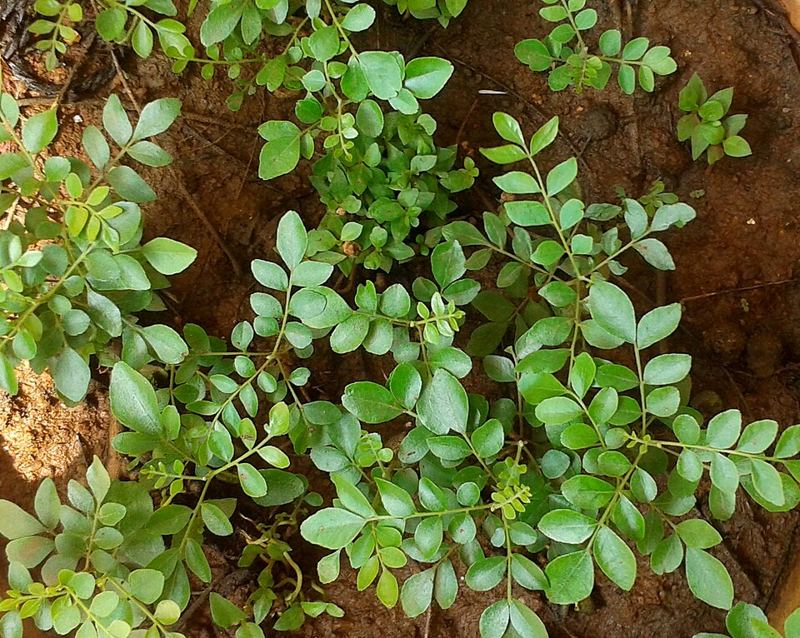 Curry Leaf