

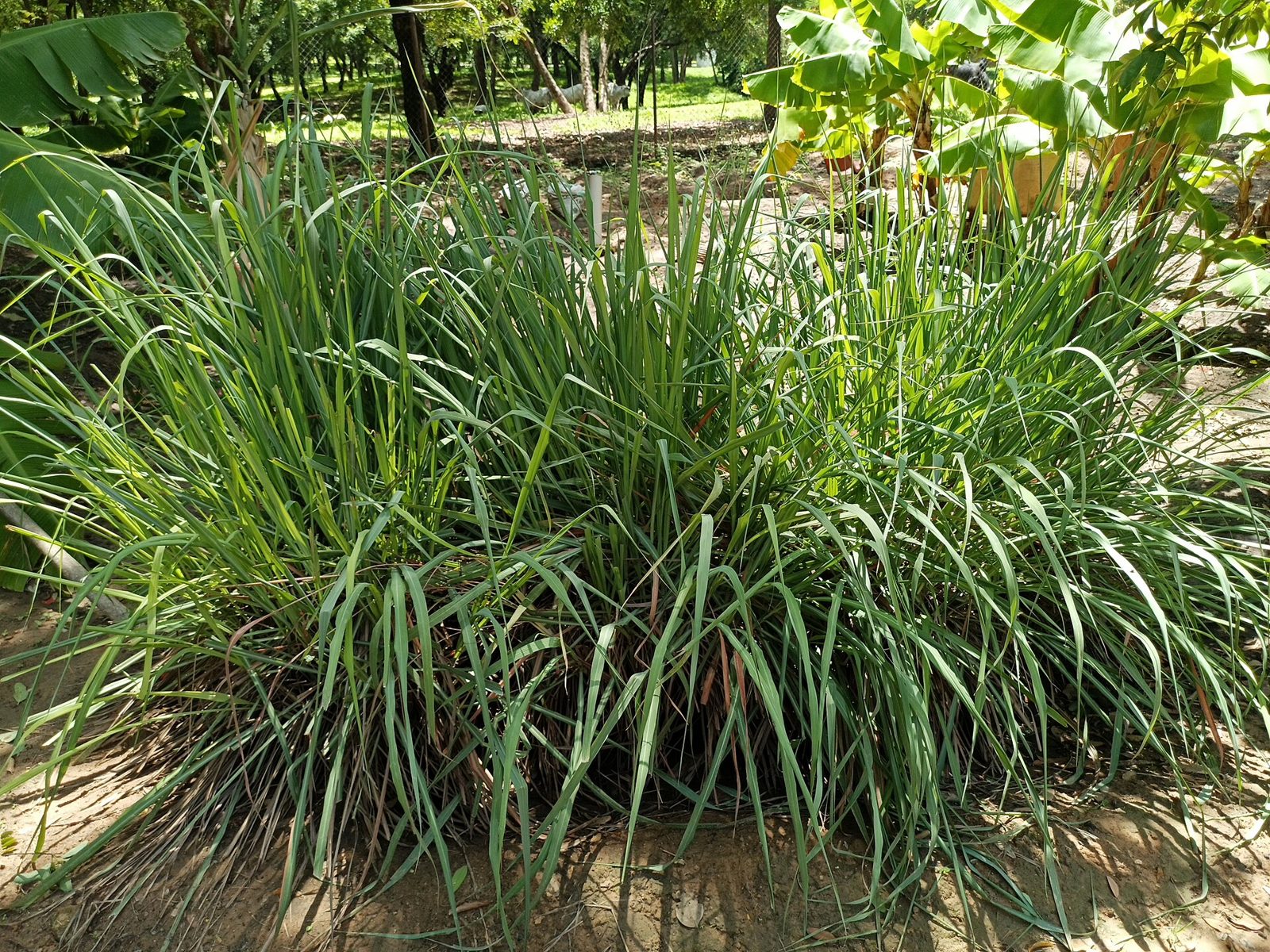
Lemongrass grows well in a pot, and in any zone colder than 8 a pot is the best way to keep it. Penn State says lemongrass is only hardy to zone 8, so it is best grown in a container, and Wisconsin says the same: grow it in containers or as an annual. Give it full sun, regular water and a warm spot, then bring it indoors, gradually, before frost. This guide covers lemongrass in pots, lemongrass indoors and the zone question, and sits under our main lemongrass guide.
Lemongrass zones: who needs a pot?
The one hardiness figure our sources give is Penn State’s: lemongrass is “only hardy to zone 8.” It does not name the zone system, so we treat it as the USDA scale. Wisconsin adds the practical side: frost will kill or severely damage the plants, so you have to harvest or dig before overnight temperatures reach freezing.
- Zone 8 and warmer: the plant may stay outdoors. The sources do not say how it fares in winter in each zone, so a division kept in a pot is cheap insurance.
- Zone 7 and colder: use a pot you can bring inside, or grow it as an annual and start again each spring.
Why a pot works
A container suits lemongrass for reasons that follow from the sources. You can move the plant when frost threatens, which matters because frost kills or severely damages it. You can place it wherever the sun and warmth are best. And you control the water, which counts for a plant that requires a great deal of it. The sources give no pot size and no potting mix. A sensible reading is to use a container big enough to hold a sizable clump, with drainage holes, filled with rich, moisture-holding soil; Wisconsin recommends moist loam with high organic matter and Penn State well-drained soil.
Light
Water
Warmth
Soil
Growing lemongrass indoors
Indoors, the same needs apply, and light is the constraint. Full sun is hard to find on a windowsill, so use your brightest window and expect slower growth than in summer. High humidity is on the preferences list (Penn State), which heated rooms rarely provide, so keep the soil moist and avoid dry spots near heating vents. The sources do not give a humidity percentage, a light level or an indoor temperature, so these are the principles, not a recipe.
If you want a year-round windowsill plant, one more thing from the sources matters: Penn State describes the move indoors as a gradual acclimation. That is how you avoid shocking a plant that has spent the summer in full sun.
Bringing lemongrass in for winter
- Watch the forecast. Frost kills or severely damages lemongrass (Wisconsin), so act before overnight temperatures reach freezing.
- Acclimate gradually. Penn State says to gradually acclimate the plant to indoor living. Move the pot to a sheltered spot first, then inside, rather than changing everything in one day.
- Choose the brightest spot. Full sun is the plant’s preference, so use the best window you have.
- Keep watering. The plant needs a great deal of water, so do not let the pot dry out.
- Move it back out after frost. Wisconsin says to place plants outside as soon as the danger of frost is past. Again, do it gradually.
If you do not have room, take the other route that Wisconsin allows: treat it as an annual. Harvest what you want, or dig the plant before the freeze, and start again with a rooted store-bought stalk or a division next spring. Our guide to rooting grocery-store lemongrass shows how, and our harvesting guide covers cutting stems at the right thickness.
Pots at a glance
Pots solve the cold-winter problem, but they do not change what lemongrass wants: sun, warmth, water and a gradual transition either way. If you remember one rule, make it this one: never leave the plant outside on the night the frost arrives, and never leave the pot dry between waterings. For other tropical, frost-tender herbs grown in pots, see our guides to ginger in containers and turmeric in containers.
Frequently asked questions
Can lemongrass grow in a pot?
Yes. Penn State says it is only hardy to zone 8, so it is best grown in a container or as an accent among other annuals. Wisconsin also says to grow lemongrass in containers or as an annual during the growing season.
Can you grow lemongrass indoors?
Penn State's advice for overwintering is to gradually acclimate the plant to indoor living, so it can live indoors for winter. The sources say the plant needs full sun, high humidity and warm nights around 65°F (18°C), so a bright window is the starting point.
What zone is lemongrass hardy in?
Penn State says it is only hardy to zone 8. Wisconsin says frost will kill or severely damage the plants, so in colder zones use a pot or treat it as an annual.
How much water does lemongrass in a pot need?
A great deal. Wisconsin says lemongrass requires a great deal of water, so water regularly. The sources give no exact schedule.
Sources
- Lemongrass, University of Wisconsin-Madison Extension Horticulture
- Lemon-Scented Herbs in the Garden and the Kitchen, Penn State Extension