

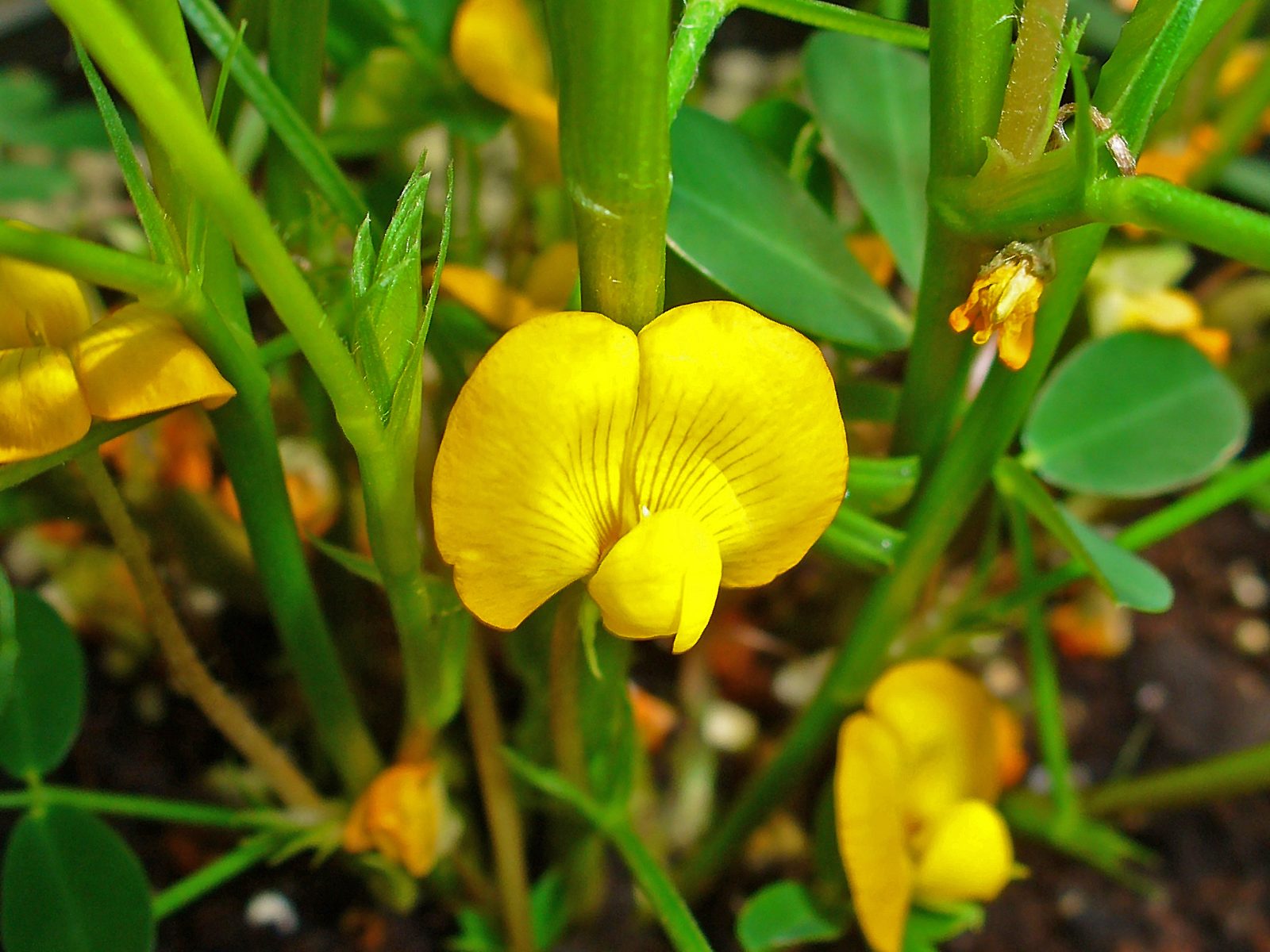
You can grow peanuts anywhere with a long, warm summer: plant seed once the soil is 65°F (18°C) or warmer, keep the bed evenly moist while the pods form underground, and dig the plants about 120 to 150 days later. NC State’s Plant Toolbox says peanuts are not frost-hardy and are best grown in areas with long warm summers. The odd part is the biology: the flowers are above ground, but the pods develop below it. Most figures here come from university peanut guides, and where they differ we give both.
- Sun
- Full sun, well-drained soil
- Days to harvest
- 120–150 (NC State) · 135–155 runner (UF/IFAS)
- Origin
- The Americas
- Planting depth
- 2–4 in. (UF/IFAS) · 2–3 in. sandy, 1½–2 in. clay (Clemson)
- Spacing
- 4–6 in. in rows 24–36 in. (UF/IFAS)
- Season
- Warm · soil 65°F+ · not frost-hardy
- USDA zones
- Not stated by our sources
When to plant peanuts
The cue is soil temperature. NC State says not to plant until the soil at 4 in. (10 cm) is 65°F or above at noon for three days, and that temperatures need to be above 65°F for germination to proceed at an acceptable rate. UGA’s recommendation is stricter: a daily 68°F (20°C) average for three consecutive days. Our sources do not give calendar dates or a frost-relative rule, so the calendar below shows what the harvest window does after you plant. Our guide to how peanuts grow explains why the pegging stage makes timing matter.
| Zones | January | February | March | April | May | June | July | August | September | October | November | December |
|---|---|---|---|---|---|---|---|---|---|---|---|---|
| Zone Soil 65°F by mid-April: direct sow Apr; harvest Aug–Sep | April: direct sow | August: harvest | September: harvest | |||||||||
| Zone Soil 65°F by mid-May: direct sow May; harvest Sep–Oct | May: direct sow | September: harvest | October: harvest | |||||||||
| Zone Soil 65°F by June 1: direct sow Jun; harvest Oct | June: direct sow | October: harvest |
- Direct sow
- Harvest
What the sources disagree on
Peanut guides are written mostly for commercial fields, and home-garden guides differ on details. Here is the spread.
| Question | Answers |
|---|---|
| Soil temperature to plant | 65°F at noon for three days (NC State) · 68°F daily average for three days (UGA) |
| Planting depth | About 2 in. (NC State Toolbox) · 2–4 in. (UF/IFAS) · 2–3 in. sandy, 1½–2 in. clay (Clemson) |
| Row spacing | 24–36 in. (UF/IFAS) · about 3 ft (NC State Toolbox) · at least 20 in. (Clemson) |
| Plants in the row | At least four per foot of row (NC State production guide) · 6–9 in. apart (NC State Toolbox) |
| Days to harvest | 120–150 (NC State Toolbox) · 135–155 runner (UF/IFAS) · 130–150 dry, 90–110 green (Clemson) |
| Curing | Pods dry in the sun about a week then 2–3 weeks cool and dry (Clemson) · plants piled 5–10 days in warm, dry weather (UF/IFAS) |
When ranges overlap, choose a value inside them. The four-per-foot figure is from commercial field guides, which is why we lean on the home-garden spacings in the steps.
What is a peanut, anyway?
A peanut is a legume. UF/IFAS Gardening Solutions says the nuts are legume pods like peas and beans, but unlike other legumes they mature underground, a habit it calls geocarpy: the plant flowers aboveground, while the fruit forms and matures underground. NC State’s Plant Toolbox says the genus species name, hypogaea, means “under the earth”.
You plant the raw seed, which is the nut inside the shell. Our sources do not give a germination or seed-treatment method, so we do not cover seed preparation.
A season with peanuts
- Soil reaches 65°F (18°C): seeds go in 2–3 in. deep (Clemson, NC State).
- About 40 days after planting: yellow, self-pollinating flowers appear near the base of the plant (NC State Plant Toolbox).
- 60 to 110 days after planting: pegs enter the soil and the pods begin to develop, which is when water is most critical (Clemson).
- 90 to 110 days: green boiling peanuts can be ready (Clemson).
- 120 to 150 days: pods ripen (NC State Plant Toolbox); dry roasting peanuts at 130–150 days (Clemson).
- After harvest: dry, cure and store.
Peanut varieties
Our sources are mostly commercial peanut guides, so the varieties below are field types. Sources also describe two growth habits: NC State’s Plant Toolbox says most varieties are either erect or a runner form, with a 4–5 month cycle.
| Variety | Best for | Days to harvest | Flavor / use | Notes |
|---|---|---|---|---|
| Bailey II | Virginia type, field crops in North Carolina | Not stated | Not stated | Most dominant in NC in recent years (NC State) |
| Emery | Virginia type, large-seeded | Not stated | High oleic | Resistance to several key diseases (NC State) |
| Walton | Virginia market type, large-seeded | Not stated | High oleic | Some drought tolerance (NC State) |
| Sullivan | Virginia type | Not stated | Not stated | Named by NC State |
How to plant peanuts
- Pick a sunny, well-drained site. UF/IFAS says peanuts grow best on well-drained soils and in full sun. Poorly drained soils make diseases prevalent and yields low.
- Check the soil pH and calcium. NC State says soil pH should be 5.8–6.2. UF/IFAS says to add lime if the pH is below 5.8, aiming for 6.2–6.5. NC State adds that the peg and developing pod absorb calcium directly from soil, so it must be readily available.
- Wait for 65°F soil. At noon at 4 in. (10 cm) for three days (NC State), or a daily 68°F average (UGA).
- Sow the seed. Depth varies by source: about 2 in. (NC State Toolbox), 2–4 in. (UF/IFAS), 2–3 in. in sandy soil and 1½–2 in. in clay (Clemson). NC State says peanuts can emerge from as deep as 3 in. (8 cm).
- Space them. UF/IFAS says 4–6 in. (10–15 cm) apart in rows 24–36 in. (60–90 cm) apart. NC State Toolbox says 6–9 in. apart in rows about 3 ft (0.9 m) apart, and Clemson says rows at least 20 in. (50 cm) apart.
Peanut care
Water
Soil heat
Calcium
Residue
Peanuts in containers are not covered by our core sources; see peanuts in containers for what we can and cannot say.
Common peanut problems
Harvesting and curing peanuts
Open or lift a few plants before you dig the bed. Clemson says select three or four plants at random, lift them with the pods still attached, and check the pods: unfilled pods are too young, and pods that are dark inside the hull are overmature. For dry roasting peanuts, 65–70 percent of the pods should be dark inside. Clemson says to begin harvest at once if pod stems are weak or the plants have yellowed and lost most of their leaves.
After digging, let the pods dry in the sun for about a week, strip them from the vines and cure them for two to three weeks in a cool, dry place. Stored in loosely woven bags in a cool, dry area, they keep several months (Clemson). Our peanut harvesting guide covers the details.
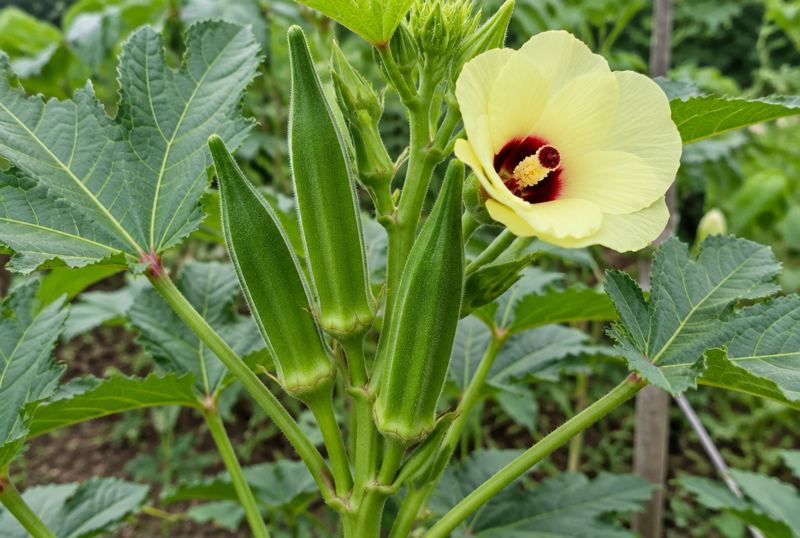
Peanuts share the warm-soil rule with sweet potatoes and okra: see our sweet potato guide and okra guide.
Frequently asked questions
When do you plant peanuts?
NC State says peanuts should not be planted until the soil at 4 in. (10 cm) is 65°F (18°C) or above at noon for three days. UGA uses a daily 68°F (20°C) average for three consecutive days. NC State's Plant Toolbox says plants are not frost-hardy and suit areas with long warm summers.
How long do peanuts take to grow?
NC State's Plant Toolbox says pods typically ripen 120–150 days after planting. UF/IFAS says runner peanuts mature in about 135–155 days. Clemson says dry roasting peanuts can be harvested at 130–150 days and green boiling peanuts at 90–110 days.
How deep and how far apart do you plant peanut seed?
Depth is 2–4 in. (5–10 cm) at UF/IFAS, 2–3 in. in sandy soil and 1½–2 in. in clay soil at Clemson, and about 2 in. at NC State's Plant Toolbox. Spacing is 4–6 in. (10–15 cm) in rows 24–36 in. apart at UF/IFAS, or 6–9 in. in rows about 3 ft apart at NC State.
How much water do peanuts need?
Clemson says water is the most common limiting factor and is most critical 60 to 110 days after planting, as the pegs enter the soil and the pods begin to develop. Stop irrigating 10 days to two weeks before harvest, and avoid wetting the leaves.
How do I know when to dig peanuts?
Pods that are not filled by the kernel are too young, and pods that are dark inside are overmature. Clemson says to lift three or four plants at random and check; roasting peanuts are ready when 70 percent of pods are dark brown to black inside the scraped hull.
Sources
- Peanut Production Practices (2024 Peanut Information), NC State Extension
- Arachis hypogaea (Peanut), NC State Extension Gardener Plant Toolbox
- Peanut Production Guide: Management and Cultural Practices for Peanuts (AG497), UF/IFAS Extension
- Peanuts, UF/IFAS Gardening Solutions
- Peanut, Clemson Home & Garden Information Center
- Preparing for Peanut Planting Season, University of Georgia Extension
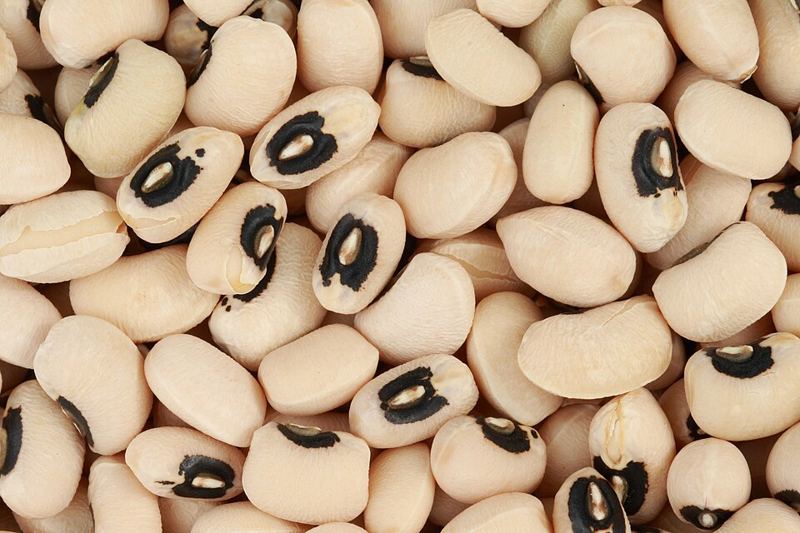 Black Eyed Pea
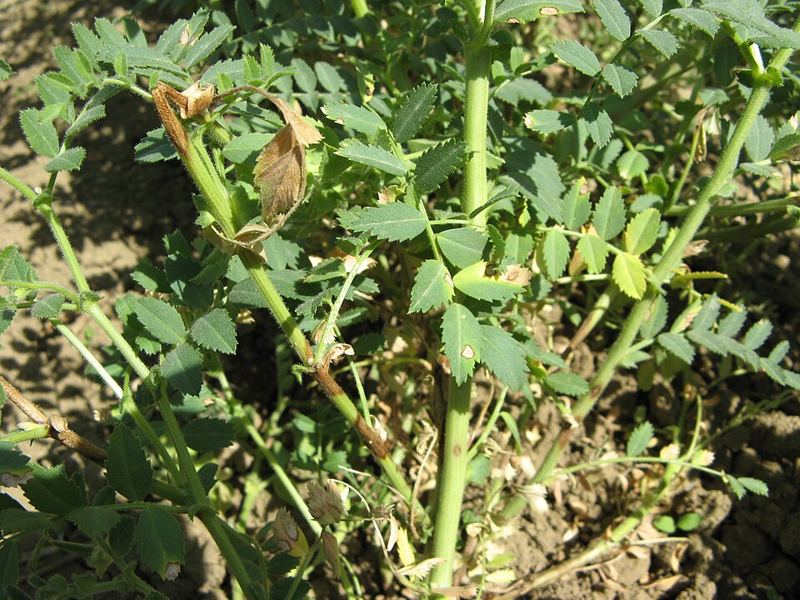 Chickpea
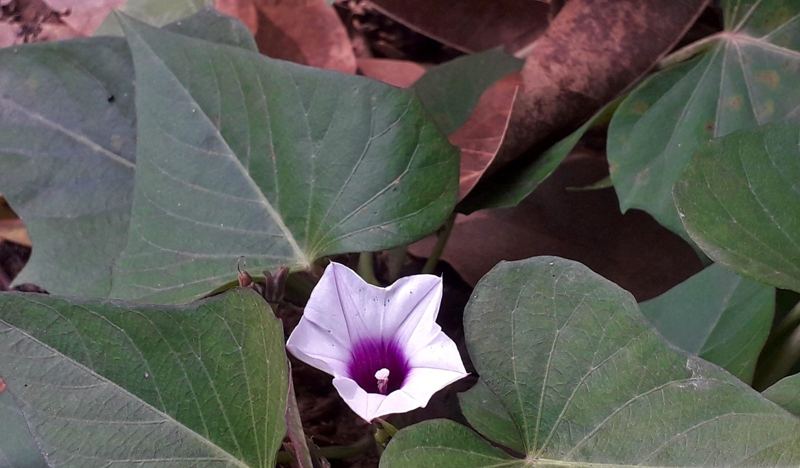 Sweet Potato
 Okra