
Perennial Vegetables: What Comes Back Each Year in the US
Perennial vegetables for US gardens: which of our crops return in warm zones, which need a pot or a fresh start each year, and which guides are coming soon.
Only some of our vegetables can live for years, and in most of the US none of them will do it outdoors without help. Turmeric is a perennial in USDA zones 8 to 11 (Penn State), and lemongrass is hardy only to zone 8 (Penn State). Ginger has no zone in our sources. Anywhere colder, these plants are pot plants or annuals. This collection is honest about that, because “perennial” depends on where you garden.
What returns, and where
| Plant | What our sources say | Colder than that |
|---|---|---|
| Turmeric | Perennial in zones 8–11 (Penn State) | Annual in the ground, or a pot (Penn State) |
| Lemongrass | Hardy only to zone 8 (Penn State) | Pot indoors, or an annual (Wisconsin) |
| Ginger | No zone given. It goes dormant in winter (Penn State) | Pot indoors, or lift the rhizomes |
In zone 8 and warmer you can try turmeric and lemongrass outdoors, but our sources do not describe winter damage zone by zone, so a spare division in a pot is cheap insurance. Our guides to turmeric in pots and lemongrass in pots cover the move indoors, and ginger in pots covers the winter dormancy.
What is not on this list
Garlic and shallot sit in the same kitchen garden, but we treat them as annual crops. You plant garlic cloves in fall and dig the bulbs the next summer. Shallots are planted from sets and harvested when the tops fall over. Okra, sweet potato, peanut, edamame and luffa are left out too: our guides treat them as warm-season crops you plant each season.
Coming soon
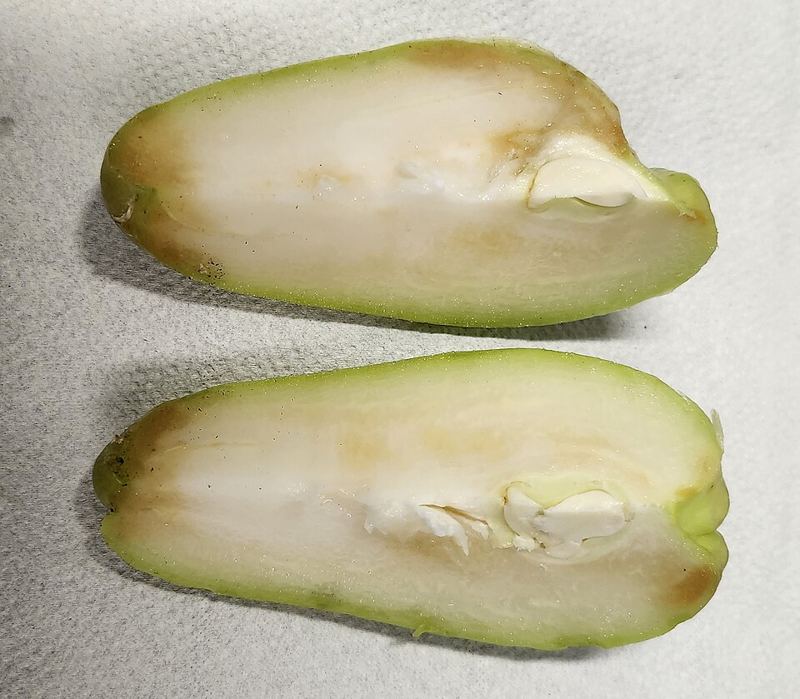
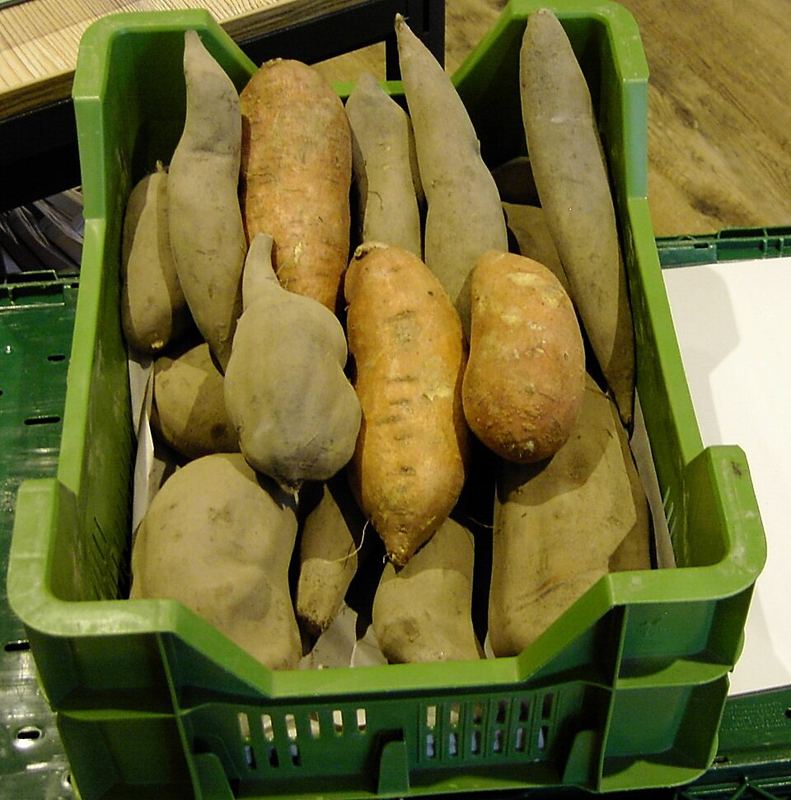
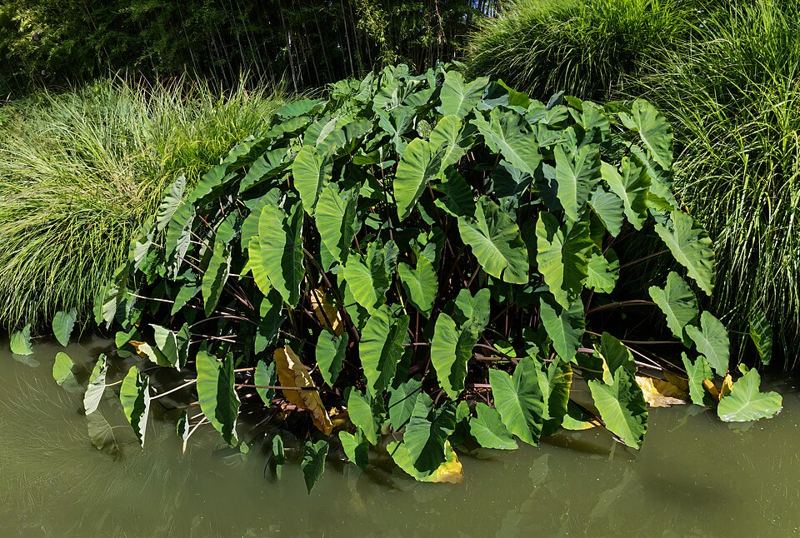
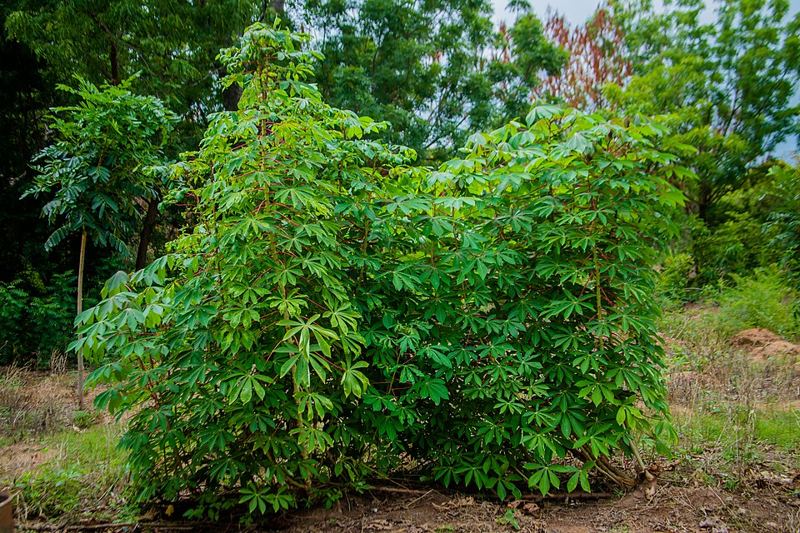
Moringa, chayote, yacon, taro, cassava and curry leaf appear below as tiles without links. They are often grown as long-lived plants, but we have not written their guides, so we make no hardiness claims yet. Each will go through the same extension-source check as the pages above.
Making a tender perennial work
- Start with a pot. It lets you move the plant when frost threatens. See the guide to vegetables in containers.
- Know your zone. Read the spice garden collection for how the frost-tender three fit together.
- Save pieces. Penn State says to replant turmeric rhizome pieces in spring, and ginger pieces can restart the cycle, as in regrowing from kitchen scraps.
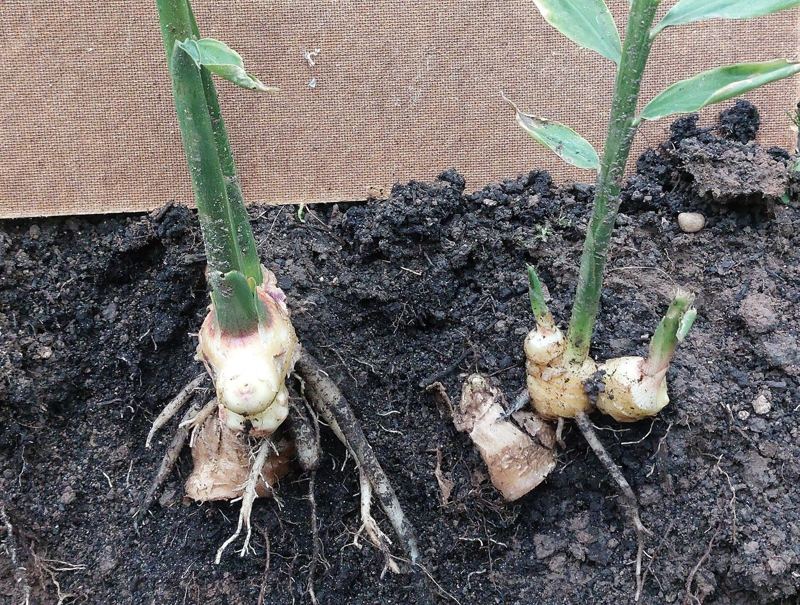 Ginger
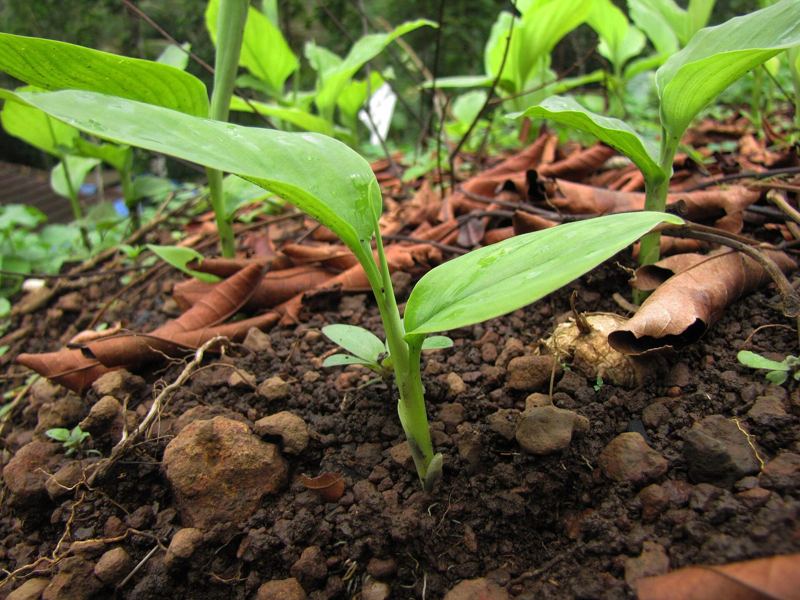 Turmeric
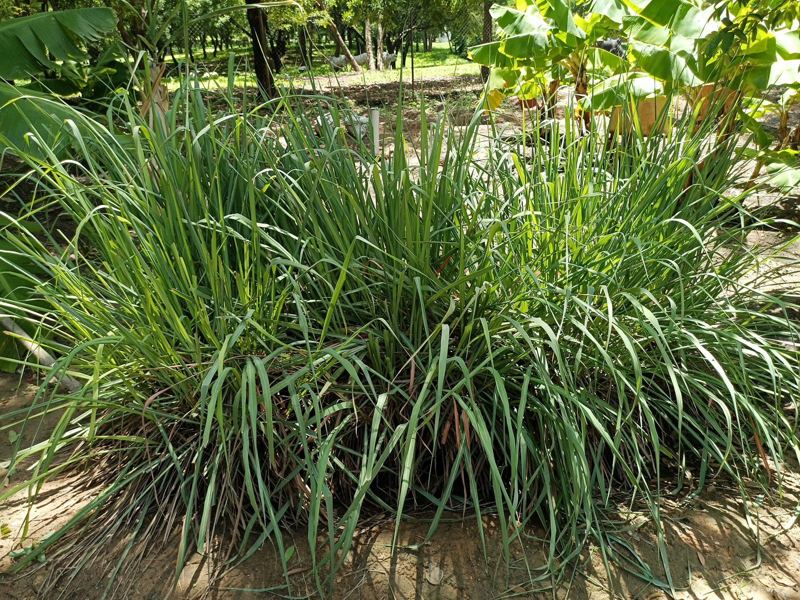 Lemongrass
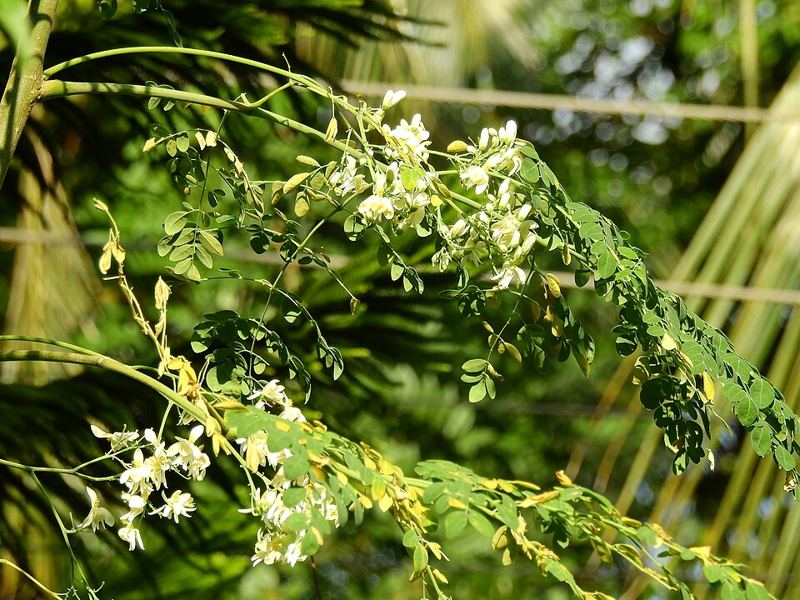 Moringa
 Chayote
 Yacon
 Taro
 Cassava
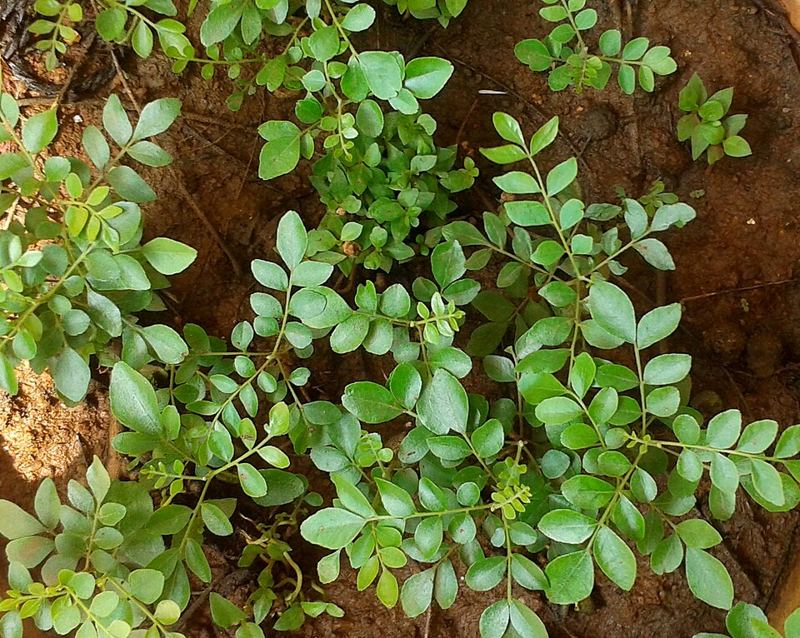 Curry Leaf