Spice Garden: What to Grow in a US Spice Garden
Plan a US spice garden: ginger, turmeric and lemongrass for pots and warm months, garlic and shallot for fall, and which spices are still to come.
A realistic US spice garden has two halves: three frost-tender plants for the warm months, and two alliums you plant in fall. Ginger, turmeric and lemongrass are tropical, so most of the country grows them in pots that come indoors before frost. Garlic and shallot go the other way. They are hardy, and you plant them months before you eat them. This collection gathers the spices and kitchen plants we have guides for, and says plainly what each one asks of you.
The frost-tender three
| Plant | You plant | Outdoors all year | Harvest |
|---|---|---|---|
| Ginger (in pots) | Rhizome pieces, buds up | No zone given by our sources; goes dormant in winter | 8–10 months after planting |
| Turmeric (in pots) | Rhizome pieces | Perennial in zones 8–11 (Penn State) | Dig when the leaves dry and wilt in fall |
| Lemongrass (in pots) | Division or rooted stalks | Hardy only to zone 8 (Penn State) | Cut stems about ½ in. (1.3 cm) thick |
Where winters freeze, plant them in containers. Penn State asks for a ginger pot at least 12 in. (30 cm) deep and 18 in. (45 cm) across, and says to move pots outside only once nights stay at or above 50°F (10°C). Frost kills or severely damages lemongrass (Wisconsin). Turmeric rhizomes get thick in a pot, so expect to repot (Penn State). All three suit one sunny patio.
The hardy two
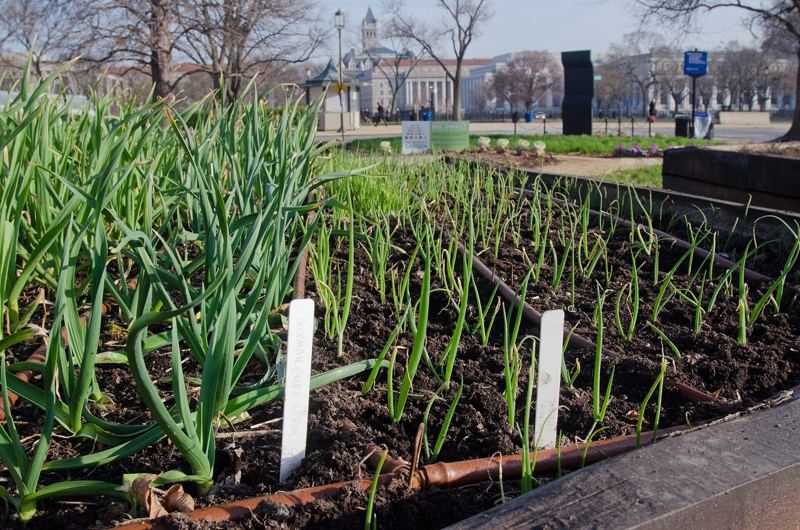
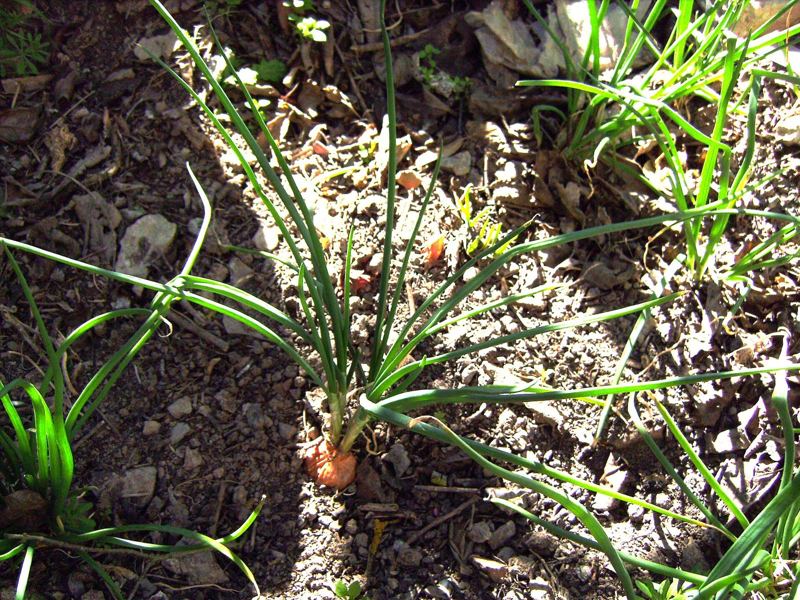
Garlic is planted as cloves in fall and dug the next summer. UGA says it needs up to 8 months to mature and calls it extremely frost hardy. Shallot goes in as soon as the ground can be worked in spring, or in fall where winters are mild, and Utah State advises frost cloth or mulch for fall bulbs in zones 4 or 5. Our sources do not cover either in containers.
Spices still to come
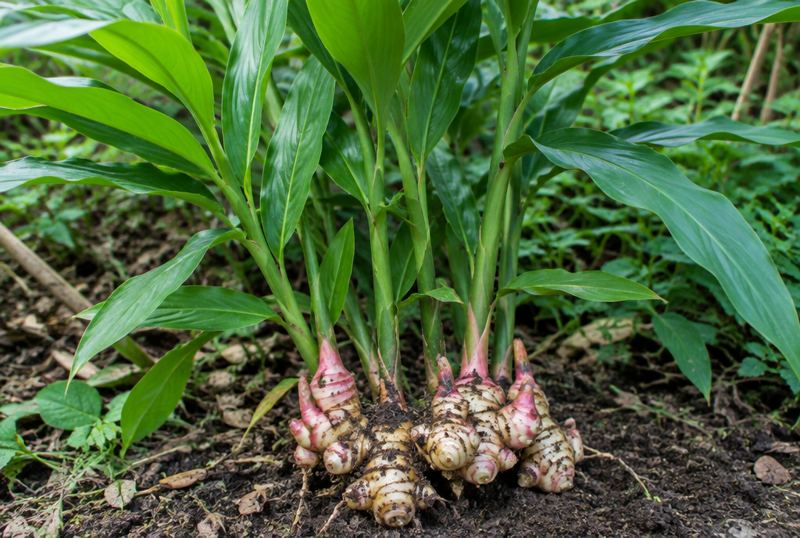
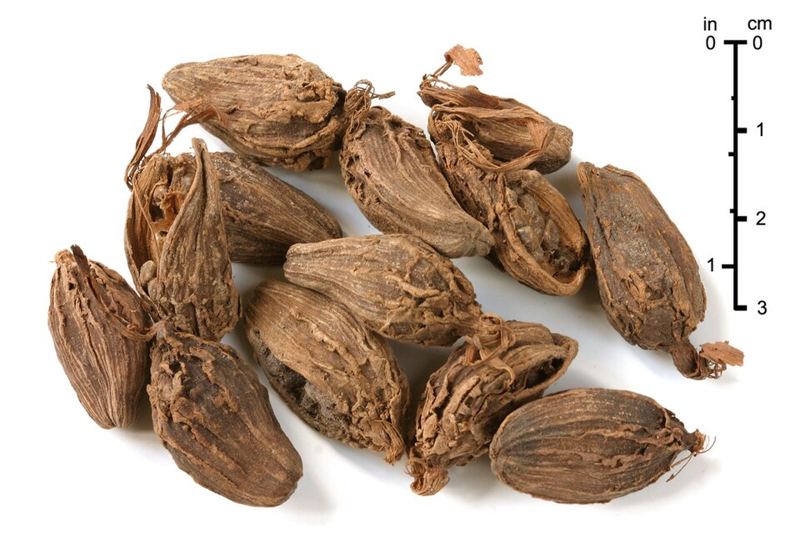
Galangal, cardamom, saffron, black pepper, curry leaf and Thai basil show below as tiles without links. We have not published their guides, so we make no claims about how they behave in your zone. We write each one from extension sources first.
Where to start
- No garden? Try ginger from a grocery rhizome: see how to grow ginger from store-bought ginger.
- Short summers? Choose pots, and read our guide to vegetables in containers.
- Want something to plant right now? In fall, that is garlic and shallot. See what to plant in November.
- Cooking Asian dishes? Ginger, turmeric, lemongrass and shallot also sit in our Asian vegetables collection.
- Curious about plants that come back? See our perennial vegetables collection.
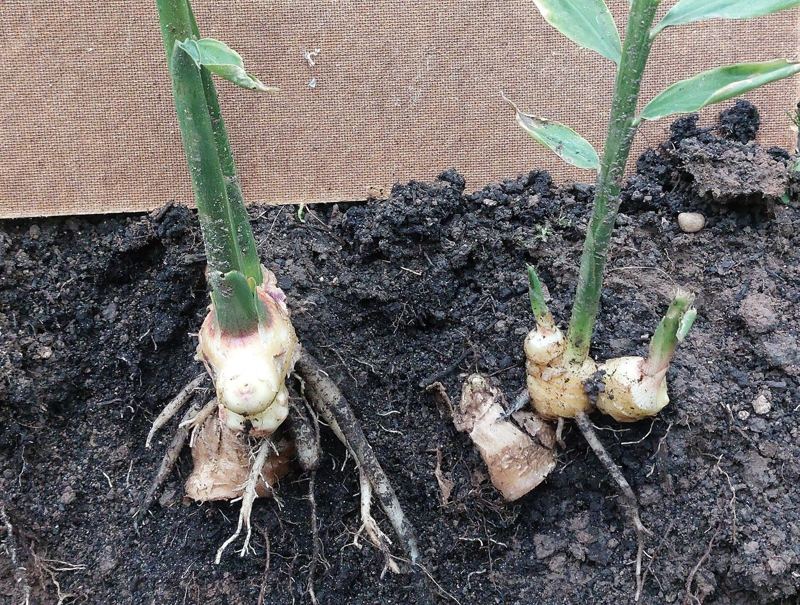 Ginger
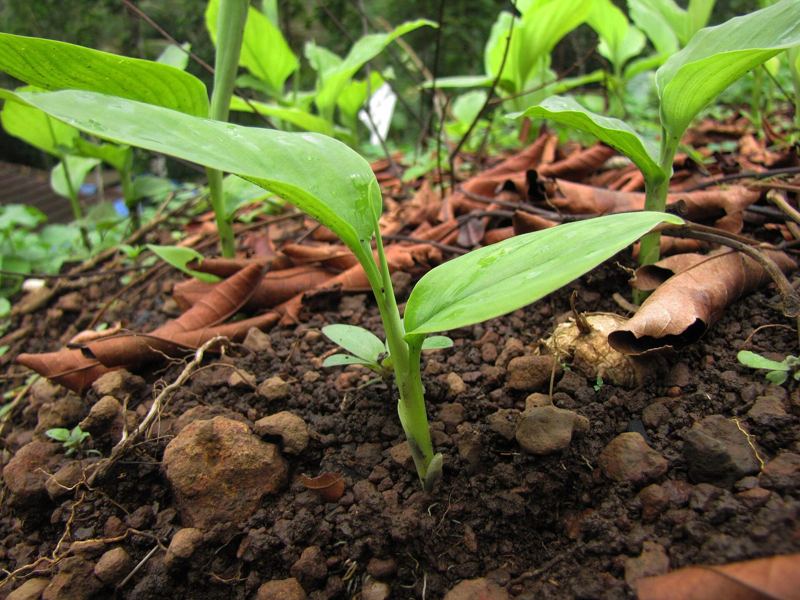 Turmeric
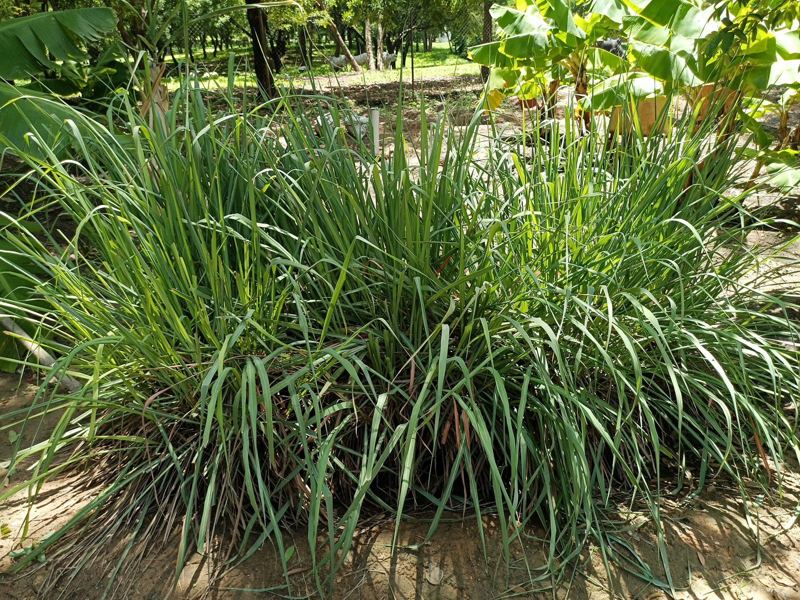 Lemongrass
 Garlic
 Shallot
 Galangal
 Cardamom
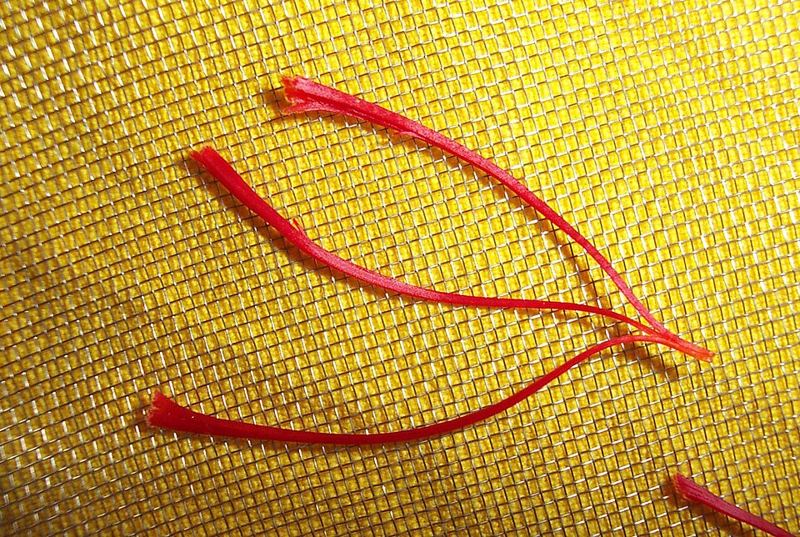 Saffron
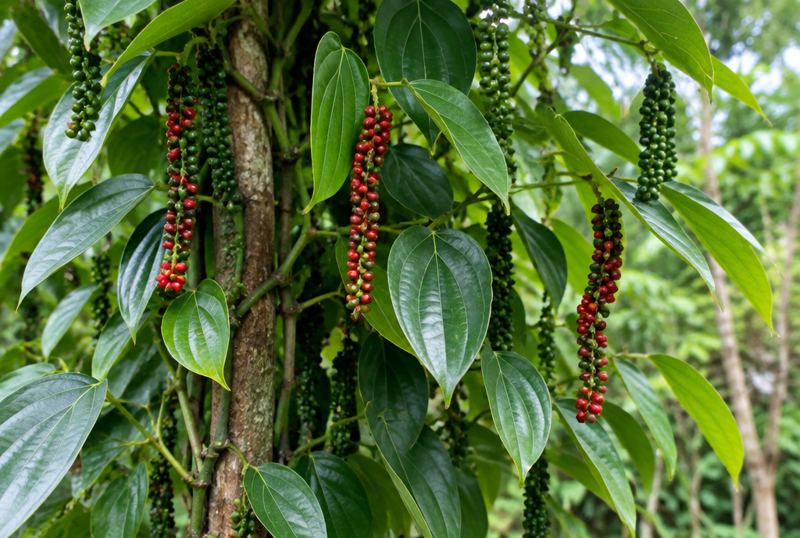 Black Pepper
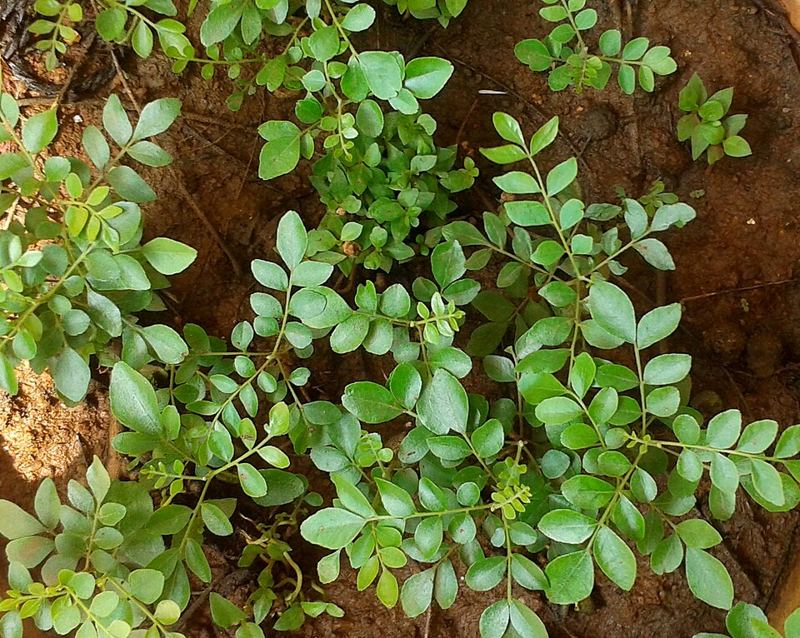 Curry Leaf
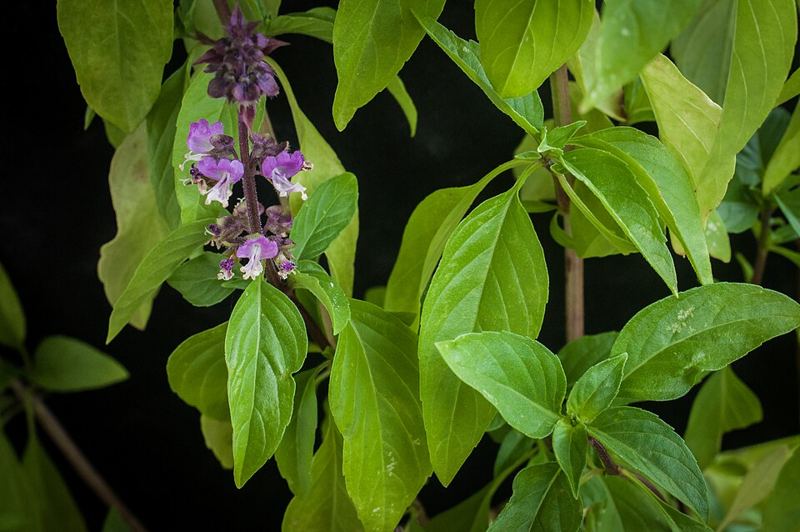 Thai Basil